

 Polski
AI Learns to Shine: Philips Hue Tests Natural-Language Automations as the Smart Home Market Accelerates
October 2026 was shaped by two trends increasingly reshaping the lighting industry: artificial intelligence moving into everyday light management, and smart home hardware converging into a single central device. Both developments have a direct impact on how we design and sell home lighting.


01 · AI in Lighting
Philips Hue Lets You Describe a Lighting Scene in Words [1]
Signify, the owner of the Philips Hue brand, has rolled out a new feature in its mobile app (version 6.4.0) called Custom AI Behaviors. The idea is simple in theory: the user describes in words the effect they want to achieve — for example, lights gradually dimming in the evening — and the system translates that description into a specific automation, with no need to manually set up scenes and schedules.
The feature was first announced back in September, but reached users with some delay. According to early testers, it currently works unevenly — not every described scenario is interpreted correctly. Still, it's a clear signal of the direction Signify is heading: controlling lighting increasingly resembles a conversation with the system rather than clicking through configuration screens. For lighting designers and smart home integrators, this hints at tools that could significantly simplify rolling out automations for end clients — provided the AI learns to understand user intent as well as the marketing promises.

02 · Smart Home Integration
One Hub to Manage It All – A Roundup of Smart Home News [2]
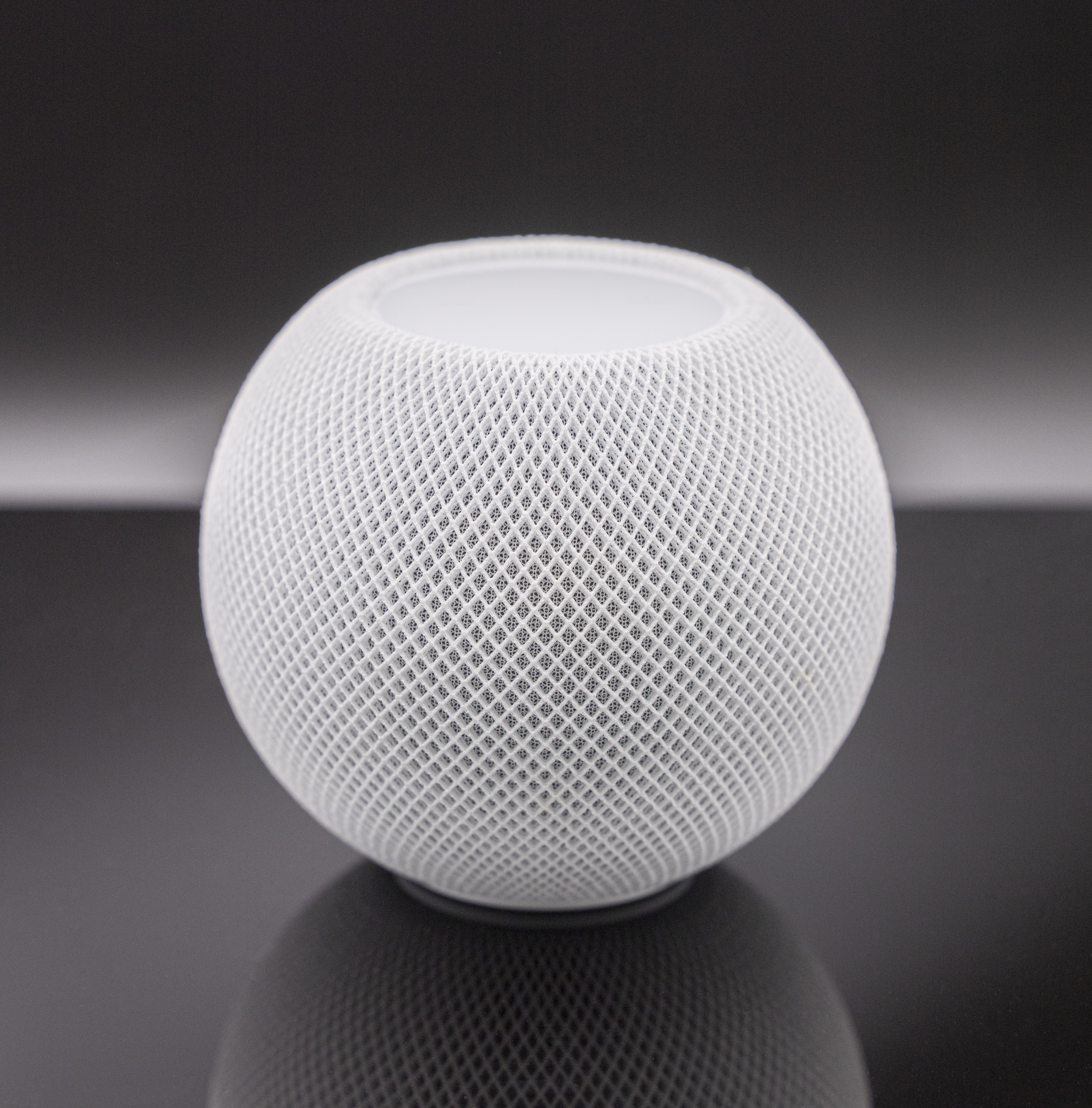
This trend ties in with October's smart home market roundup published by the UK outlet T3. The editorial team gathered the ten most important launches of the month, including Apple's new HomeView hub with a 7-inch screen, a refreshed HomePod mini, and a new Amazon Echo Spot with a larger display (referred to in the piece as Echo Time). The list also featured new products from Ring and Blink, brands best known for home security and monitoring.
The takeaway from this roundup matters for the lighting industry: the boundaries between lighting control hardware, security, and home management are blurring at a rapid pace. Manufacturers are increasingly designing a single central hub meant to handle lighting, cameras, speakers, and sensors all at once, rather than separate, independent ecosystems. This has a direct bearing on how new lighting lines should be designed — compatibility and open integration standards are becoming just as important as the design of the fixture itself.
03
What This Means for the Industry
Both stories point to the same observation: smart lighting is no longer a standalone market segment, and is increasingly becoming part of a larger, integrated home infrastructure managed by AI and central hubs. For interior designers and lighting manufacturers, this is a signal that it's worth thinking now about products that will easily "talk" to systems like Hue or the new Apple and Amazon hubs.
These are exactly the kinds of industry directions we'll be discussing at the International Lighting Fair – Warsaw Home Light 2026. Stay tuned for the next editions of our roundup, and be sure to visit the fair, where you can see these trends live, in practical implementations.
Invitation
Artificial intelligence and device integration are changing the way we design home lighting. Want to see these technologies live and talk to the creators of new solutions? Visit the International Lighting Fair – Warsaw Home Light 2026 and find out where the industry is headed.
Warsaw Home Light 2026Przypisy
[1] Hueblog.com — https://hueblog.com/2026/10/29/custom-ai-behaviors-launched-in-the-philips-hue-app/[2] T3.com — https://www.t3.com/home-living/smart-home/smart-home-launches-october-2026
This review was prepared by the Ptak Warsaw Expo editorial team.